Castling in Chess
The only move with two pieces at once
How to castle
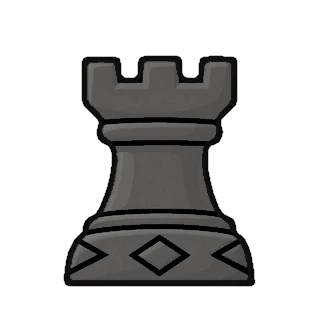
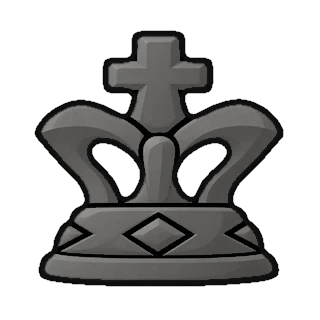
Castling is the only move in which two pieces move at once. The king moves two squares towards a rook, and that rook jumps over the king to the square next to it.
Kingside castling (written O-O): the white king goes from e1 to g1 and the rook from h1 to f1. Queenside castling (O-O-O): the king goes from e1 to c1 and the rook from a1 to d1. Black castles the same way on the eighth rank.
 8
 7



 2

 1a
 eh
White can castle to either side: the king goes to g1 or c1.
When you can castle
Neither the king nor the rook you castle with has moved before in the game.
There are no pieces between the king and that rook.
The king is not in check, does not pass over a square attacked by an enemy piece, and does not land on an attacked square.
Common questions
Can the rook pass over an attacked square? Yes: only the king's squares matter. In queenside castling the rook may cross b1 even if it is attacked.
Can you castle after being in check earlier? Yes, as long as the king never moved and is not in check now.
Why castle? It makes the king safe behind its pawns and brings a rook towards the centre in one move.
Practise it in BEST CHESS
Play every move yourself in the free Chess Academy (Chess Basics), solve puzzles with no daily limit, and review your games with a strong engine. Offline, no ads, no account.